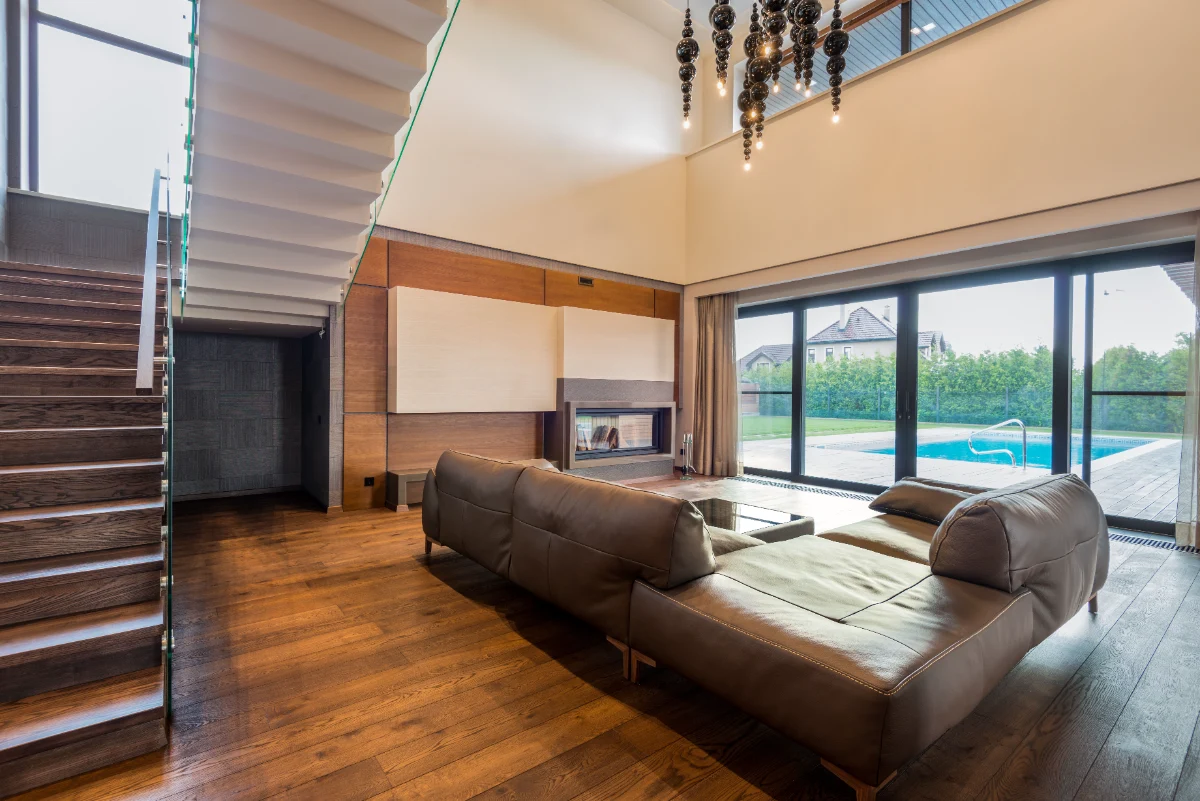
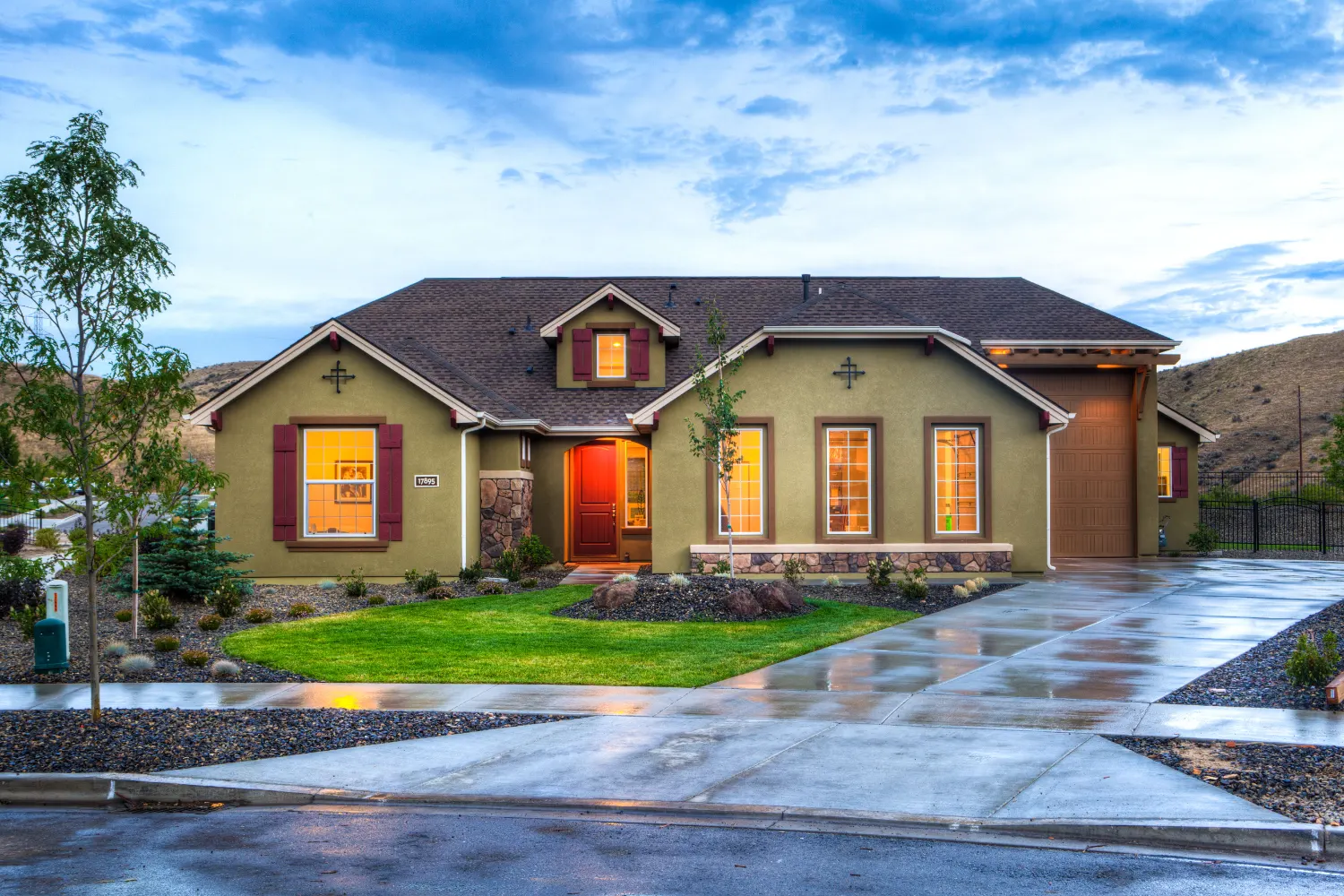
Luxury real estate is not simply about purchasing or selling a more expensive home.
Luxury properties are often distinctive.
They may include custom architecture, premium materials, larger lots, privacy, advanced technology, extensive outdoor spaces, unique amenities, or locations that are difficult to duplicate.
Because these homes can be more individual, both buyers and sellers may need a more personalized approach.
The right strategy should consider the property itself, the current market, the audience, the financial details, and the lifestyle connected to the home.
Across North Jersey, buyers and sellers can explore luxury opportunities throughout Bergen County, Passaic County, Essex County, Morris County, and Union County.
What Defines Luxury Real Estate?
There is no single feature that automatically makes a home luxurious.
Price plays a role, but luxury is usually the result of several elements coming together.
Location matters.
Privacy matters.
Architecture, design, craftsmanship, lot size, materials, condition, and amenities can all influence how a property is perceived.
Some luxury homes may include custom kitchens, premium appliances, large primary suites, spa-inspired bathrooms, home offices, finished lower levels, wine rooms, gyms, theaters, pools, outdoor kitchens, smart-home systems, generators, specialty garages, and carefully designed landscaping.
However, a long list of expensive features does not automatically make a home exceptional.
The quality and overall experience matter.
Location Is Still One of the Most Important Factors
Luxury homes can sometimes be difficult to compare because location affects value so strongly.
Two properties with similar square footage and finishes may perform differently because of their neighborhood, street, lot position, privacy, or surrounding environment.
Luxury buyers often consider how the property fits into their broader lifestyle.
How convenient is the location?
Does it provide the privacy they want?
How easy is it to reach work, restaurants, shopping, transportation, or other places they visit regularly?
The answers will be different for every buyer.
Luxury Buyers Should Start With Priorities
A larger budget can provide more choices, but more choices can also make the search less focused.
Before touring homes, buyers should identify what they truly want.
Do you want modern construction?
Traditional architecture?
Additional land?
A pool?
A home gym?
A private office?
Space for entertaining?
Multiple garages?
Guest accommodations?
Think about what you would actually use.
A property can be impressive without being right for you.
The goal is not to find the home with the most features.
It is to find the home that best supports the way you want to live.
Evaluate Quality Carefully
Luxury buyers should look closely at construction quality and materials.
Pay attention to cabinetry, flooring, windows, doors, stonework, fixtures, appliances, lighting, millwork, mechanical systems, and exterior details.
The way a home has been maintained can also be extremely important.
A property may photograph beautifully but still require significant maintenance.
That is why buyers should evaluate the home carefully rather than assuming a higher price automatically means everything is in perfect condition.
Understand Ongoing Ownership Costs
Luxury properties can have higher ongoing expenses than smaller or simpler homes.
Larger properties may require more landscaping, heating, cooling, maintenance, and cleaning.
Pools, elevators, generators, advanced smart-home systems, extensive outdoor spaces, and specialty equipment may require regular servicing.
Property taxes and insurance can also represent significant parts of the overall ownership cost.
Buyers should understand the complete financial picture before purchasing.
The right luxury property should be enjoyable to own, not only exciting to purchase.
New Construction and Existing Homes
Luxury buyers may consider both new construction and established properties.
New construction can offer modern layouts, current finishes, newer systems, and opportunities for customization.
Existing homes may provide mature landscaping, established neighborhoods, distinctive architecture, and features that are difficult to reproduce.
Neither option is automatically better.
Buyers should evaluate the builder, construction quality, specifications, warranties, and timeline when considering new construction.
For existing homes, renovation history, maintenance, mechanical systems, and overall condition deserve careful attention.
Making an Offer on a Luxury Home
Luxury properties may have fewer direct comparable sales than more common property types.
A home may have a unique lot, architecture, renovation, view, or feature set that makes comparison difficult.
That means buyers should consider several factors when deciding how to structure an offer.
Recent sales, active competition, time on market, property condition, seller motivation, and current demand may all matter.
The asking price is a starting point.
The objective is to understand the property’s position before deciding what makes sense.
Luxury Negotiations Can Include More Than Price
Higher-end transactions may involve additional details.
Furniture, fixtures, specialty equipment, closing timeline, privacy, financing, inspection terms, and other conditions may become part of the discussion.
The highest offer is not always the strongest offer.
Likewise, a buyer may be able to create a competitive offer without necessarily agreeing to every seller request.
Understanding the complete agreement helps both sides make better decisions.
Selling a Luxury Home Starts With Positioning
Luxury sellers should begin by understanding where their property fits within the market.
The home should be evaluated based on its location, condition, size, architecture, upgrades, amenities, lot, and current competition.
Because luxury homes can be unique, automated valuation tools may provide limited context.
A more personalized market review can help identify relevant comparable sales and competing listings.
From there, a pricing strategy can be developed.
Preparation Matters
Luxury buyers often have high expectations.
Before bringing a property to market, sellers should pay attention to presentation.
Remove unnecessary clutter.
Repair visible issues.
Clean thoroughly.
Review landscaping.
Make sure lighting is working properly.
Consider how each room photographs.
Some homes may benefit from staging or styling.
The objective is not to make the property feel artificial.
It is to allow buyers to focus on the architecture, space, finishes, and lifestyle the home provides.
Professional Marketing Is Important
Luxury real estate marketing should feel intentional.
Photography, video, written property descriptions, digital presentation, social media, agent outreach, and online exposure should work together.
The marketing should show buyers what makes the home distinctive.
Instead of simply listing features, the presentation should help buyers understand the experience of living there.
A property with beautiful outdoor entertaining areas may require a different marketing approach from a home focused on privacy and architectural design.
The strategy should match the property.
Know the Likely Buyer
Understanding the likely audience can improve how a luxury property is marketed.
A modern custom residence may attract a different buyer from a traditional estate.
A property with extensive entertainment space may appeal to a different lifestyle than a quiet, private residence on a large lot.
Marketing should highlight the characteristics most likely to matter to the right audience.
The goal is not simply to reach the largest number of people.
It is to reach serious buyers who understand the property’s value.
Pricing Requires Careful Thought
Luxury pricing can be challenging because direct comparisons may be limited.
One property may have newer construction.
Another may offer more land.
Another may have significant architectural details or renovations.
This makes local knowledge and property-specific analysis important.
Pricing too high may limit interest.
Pricing too low without understanding the property’s strengths may leave opportunities behind.
The goal is to create a price that supports the property’s position and attracts qualified buyers.
Luxury Showings Should Feel Intentional
When buyers visit a higher-end property, presentation should remain consistent.
The home should be clean, organized, well-lit, and comfortable to experience.
Exterior spaces should also be considered.
Pools, patios, landscaping, garages, and other amenities may play major roles in the buyer’s decision.
Sellers should try to create an environment where buyers can focus on the property rather than distractions.
Reviewing Luxury Offers
Luxury sellers should review all terms carefully.
Financing, proof of funds, contingencies, deposit structure, inspection terms, closing timeline, and included items can all influence the strength of an offer.
The highest price may not always represent the best overall deal.
A strong offer is one that supports the seller’s financial goals while also providing a realistic path toward closing.
Privacy and Communication
Some luxury clients prefer additional privacy throughout the transaction.
That may affect marketing, showing arrangements, property information, and communication.
A personalized approach should respect the client’s preferences while still giving the property an appropriate opportunity to reach serious buyers.
Clear communication is especially important in transactions where several professionals and moving parts may be involved.
Think Beyond the Transaction
Luxury buyers should consider how the property will fit their lives long after closing.
How much maintenance will it require?
Will the layout continue to work?
Will you use the amenities?
Does the location support your future plans?
Luxury sellers should also think beyond the listing itself.
What does the sale need to accomplish?
Are you purchasing another property?
Relocating?
Downsizing?
Your next move should influence the strategy surrounding the current one.
Luxury Real Estate With Darwin Matos
Luxury real estate should feel personal because every client and every property is different.
Darwin Matos works with buyers and sellers throughout North Jersey, including Bergen County, Passaic County, Essex County, Morris County, and Union County.
For buyers, the process can include identifying the right communities, finding properties that match your lifestyle, coordinating showings, evaluating opportunities, and navigating negotiations.
For sellers, the process can include understanding your home’s current market position, preparing the property, developing a pricing strategy, presenting it effectively, reviewing offers, and moving toward closing.
The goal is not simply to complete a transaction.
It is to help you make your next move with a clear understanding of the property, the market, and the choices available to you.
Whether you are looking for your next luxury home or considering selling an exceptional North Jersey property, the process can start with a conversation about your goals and what matters most to you.